Benefits of Rechargeable Hearing Aids
Historical note: This article was originally published in 2016. The rechargeable products described below were new at the time and have since been replaced by newer models. Today, rechargeable hearing aids are widely available from most major manufacturers.
Have you ever been in the middle of a meeting or dinner, and your hearing aids suddenly cut out? As hearing aid wearers, you may have experienced something similar to this. It is an inconvenience – especially if you don't have a spare pair of batteries with you! At The Atlanta Hearing Doctor, we ensure the best fit with your hearing aids, and with time, you will grow so accustomed to wearing them that maybe you'll even forget you have them on. Many hearing aids are equipped with advanced technology, allowing a new level of accessibility for people with hearing loss. As incredible as these innovations are, they also require more energy – which means more batteries! Fortunately, there are options to efficiently and responsibly power your hearing aids.
Traditional Hearing Aid Batteries
Most hearing aids require voltage in the 1 to 1.6 range. The most common hearing aid battery is the zinc-air battery. Depending on battery size, usage, and features such as wireless streaming, a zinc-air battery may last from a few days to about two weeks. For people who wear two hearing aids, this can mean buying a large number of batteries each year, and features such as streaming can drain batteries faster. Disposable batteries also create waste, so it is important to recycle them where possible rather than throwing them in the trash.
While traditional hearing aid batteries will continue to be a reliable source of energy for your hearing aids, there are also new options to consider!
Rechargeable Hearing Solutions
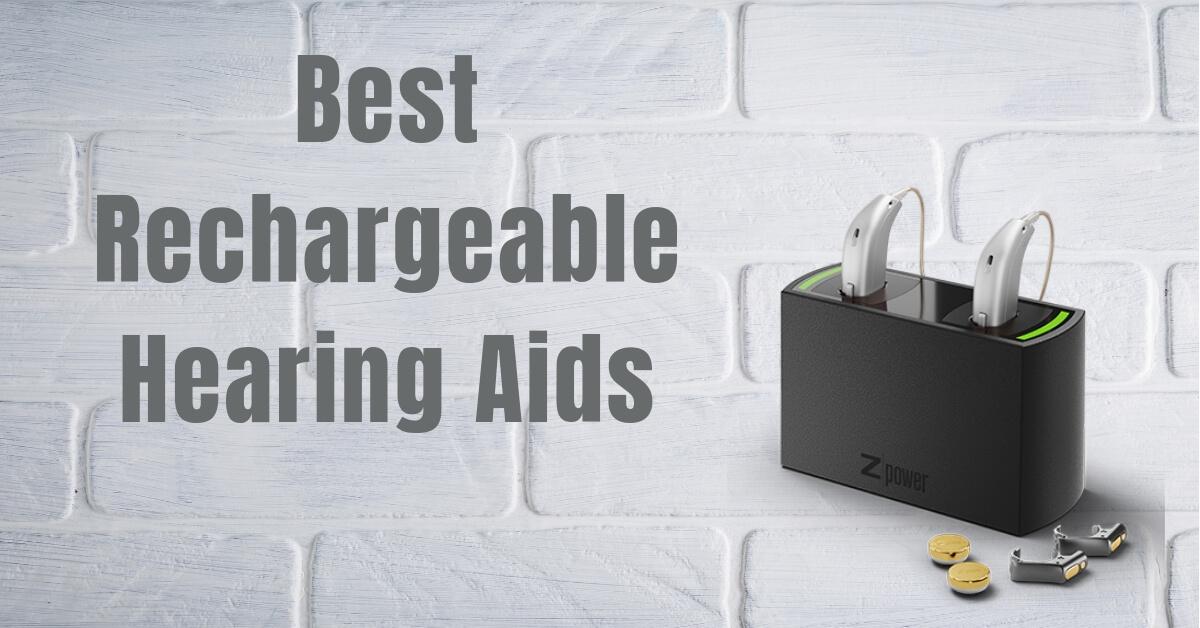
Rechargeable hearing aid batteries had been available for some time, but when this article was written they were not widely used. Around that time, hearing aid manufacturers began to design rechargeable hearing aids, which benefits the wearer – and the environment! Rechargeable hearing aid stations are easy to operate, and eliminate the regular action of fumbling with small components and hearing aid parts. They also reduce battery waste.
Here at The Atlanta Hearing Doctor, we offer rechargeable hearing aid solutions from leading hearing aid manufacturers. The products below were examples available in 2016.
Phonak Audeo B-R
In 2016, Phonak introduced the Audeo B-R, powered by the Belong platform. The Audeo B-R was Phonak's first rechargeable hearing aid. Phonak said its lithium-ion battery could provide up to 24 hours of hearing on a single three-hour charge, and that a 30-minute charge could provide about six hours of listening. Actual battery life depends on use, especially streaming.
The Audeo B-R provided wearers with Phonak's key features at the time, such as AutoSense OS and SoundRecover 2. Audeo B-R is a receiver-in-canal hearing aid that may be charged on three different platforms: the Phonak Charger Case (charger, drying kit, and protective hard case), the Phonak Power Pack (which is charged beforehand and may provide a quick charge when you need one), and the Phonak Mini-Charger (designed for travel).
Siemens/Signia eCharger
At the time, Siemens and Signia hearing aids, then part of the Sivantos Group, offered the eCharger for certain models. The eCharger is easy to use: before bed, simply place your hearing aids into the chamber and six hours later, you'll wake up to fully charged hearing aids. The eCharger also offers a dehumidifying function, which removes moisture and keeps your hearing aids dry! Compatible models at the time included: Pure (receiver-in-canal), Motion (behind-the-ear) and Carat (receiver-in-canal). These rechargeable batteries require replacement once a year.
Starkey V Fusion Rechargeable Battery
For those who used hearing aids by Starkey, there was the VFusion Rechargeable Battery System. VFusion charges batteries specially designed by Starkey through USB, which provides incredible convenience. Starkey said fully charged VFusion batteries could provide over 18 hours of listening. VFusion's charging process is simple: wearers place their hearing aid batteries in a USB thumb-drive, secured by a magnetic surface. The USB thumb-drive may then be charged through any energy source, from a compatible electrical plug or a computer! VFusion batteries must be replaced once a year.
Are you ready to find a sustainable energy source for your hearing aids? Contact us at The Atlanta Hearing Doctor for more information on current rechargeable options.
The Atlanta Hearing Doctor
Reach out to us to learn more about rechargeable batteries. Our friendly team looks forward to hearing from you.

About The Atlanta Hearing Doctor
Audiologist Dr. Maria Wynens has served patients since 1988 and provides hearing care from our office in Sandy Springs.
About Dr. Wynens