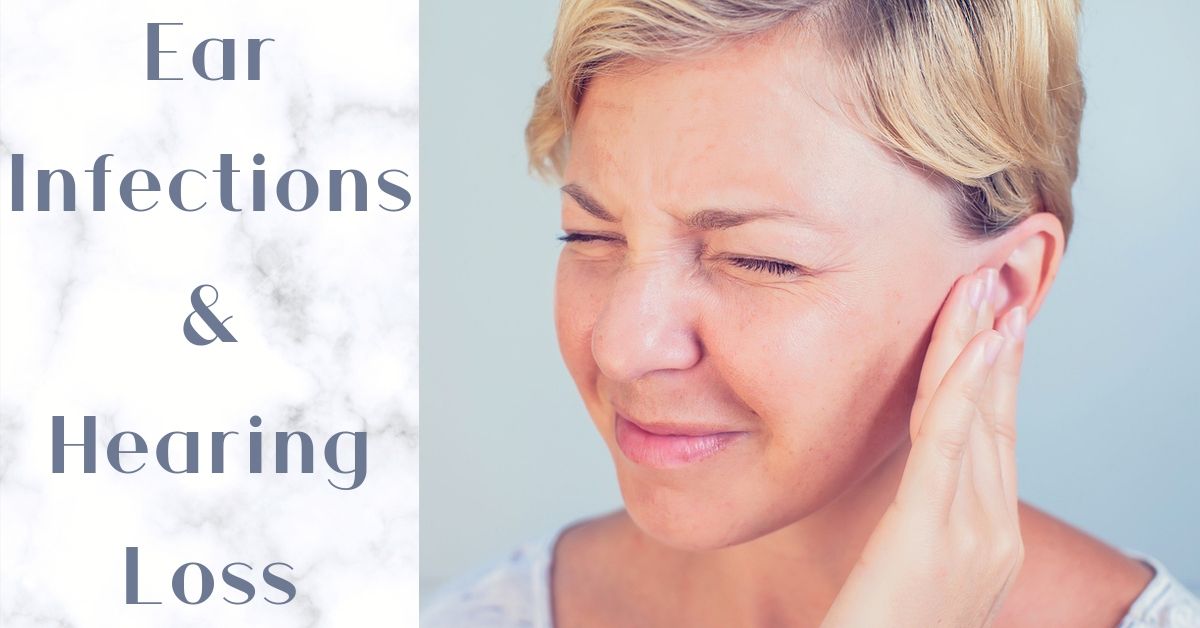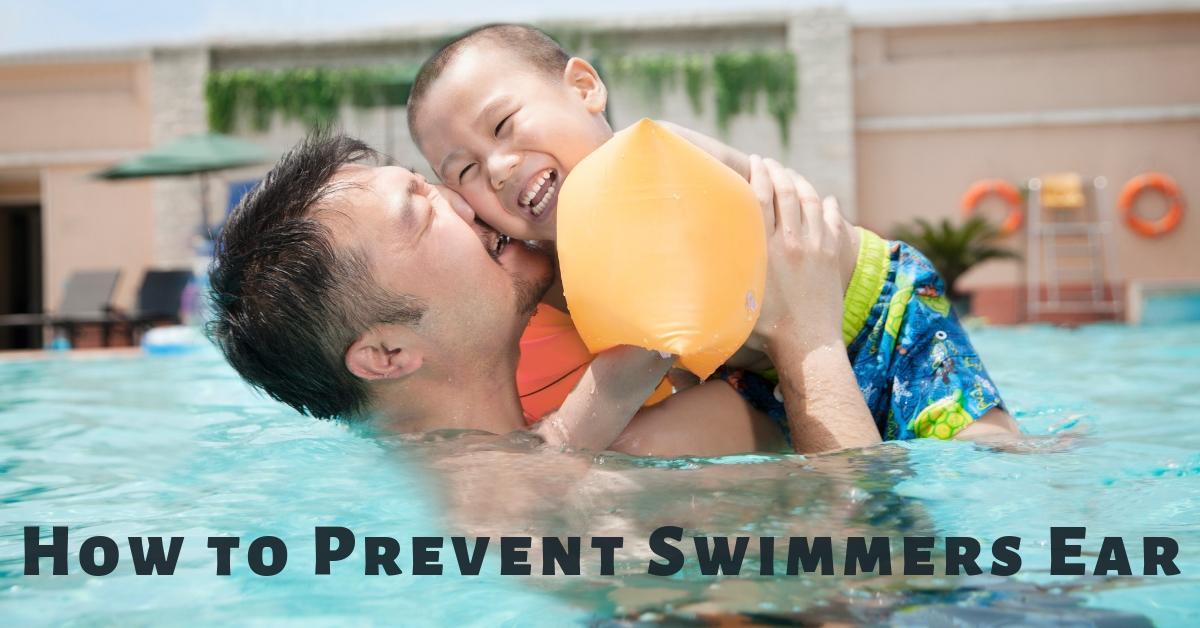
The term “swimmer’s ear” encompasses types of ear infections caused by bacteria and is also known as otitis externa. Water that gets trapped in the ear becomes the best place for bacteria to proliferate and is the reason it is commonly called “swimmer’s ear”. However, if we are not careful, we can also get it by scratching the delicate skin lining the ear canal. In order to protect your hearing and lessen the risk of an infection, the following are some useful practices to follow before you jump in.
Before You Jump In…
Consider earplugs. There are many kinds made for swimmers, and they can help keep water out of the ear canal. If you can also incorporate a swimming cap that covers the ear you will have an added layer of protection. Any body of water that we immerse ourselves in has the potential to add unwanted things in our ears.
The pool. We all know that pools, whether they are public or not, can be highly contaminated with bacteria. Make sure that there are signs for showering before swimming in all public pool areas. Most importantly, be aware and look around, if it doesn’t seem clean enough, don’t get in.
Lakes, ponds and rivers are on the list. Once again check for posting of bacteria levels around large bodies of water. Don’t swim in areas that are close to pastures or farm land as you will be more than knee deep in bacteria-filled run-off from those areas. In addition, you can peruse the EPA BEACON website to see what kind of advisories have been put out on lakes and beaches nationwide.
After You Get Out of the Water…
Ear to shoulder. Tilt your head to the side so your ear points toward your shoulder, and gently tug on your earlobe. Then repeat on the other side. Looks silly, but it works well! You are using gravity to drain excess water from your ears.
Keep them dry. Immediately and gently dry the outer part of your ear. You can also use a hair dryer on the lowest heat and speed setting, held at least 12 inches from your ear. Bacteria thrive in moist environments so it’s in your best interest to keep your ears clean and dry.
From the pharmacy or made at home. You can get drying eardrops at a pharmacy. Some people also use a homemade mixture: half teaspoon of rubbing alcohol and a half teaspoon of white vinegar. Pour in each ear. Let it drain out naturally. Use drops only if you have not had any ear surgery recently, do not have any pain in your ear or any damage to your ear drum.
Extra measures to take
Know your overall health. If you have any immunity disorders or diabetes, check with your doctor about recurring ear infections or extra susceptibility and they will give further guidance in preventing ear infections. If you are experiencing any ear pain, you should see your doctor as soon as possible.
Nothing goes in your ears. The chances of getting “swimmer’s ear” increase, whether you swim or not, if the lining of your ear canal is scratched. This leaves you open to infection. It is worth repeating that no cotton swabs, hair clips or tips of pens or pencils, and the like, are to be inserted in your ear. Clean only the outside of your ears, nothing is meant to enter the ear canal as it increases the chances of it being damaged.
Cleanliness. If you are using hearing aids which sit in your ear canal, take them out and clean them every night. Anything that rests in your ear needs maintenance and careful handling so no damage is done to the lining of the ear canal.
Earwax has a purpose. It is there as a natural defense for the lining of the ears. If you were to put a cotton swab in your ear, you are only pushing earwax further back and creating a possible build-up and unnecessary chances of hearing problems to occur. If you have an excess of earwax it is best to talk to your doctor about treatment.
Use earbuds sparingly. They are not meant to sit in our ears for hours at a time. Earbuds worn for long periods can trap moisture and irritate the ear canal, and listening at high volumes can damage your hearing.
The Atlanta Hearing Doctor
Do you feel that you are experiencing hearing problems? Are you unsure of where to start to get your hearing evaluated? If you or someone close to you has any questions concerning the health of your hearing, give us a call at The Atlanta Hearing Doctor. We welcome any questions or queries and with your first appointment we look forward to the richer, healthier hearing for you and your loved ones.

About The Atlanta Hearing Doctor
Audiologist Dr. Maria Wynens has served patients since 1988 and provides hearing care from our office in Sandy Springs.
About Dr. Wynens