

Hearing Aids
Doctor-selected hearing aids tailored to your hearing, lifestyle and budget, with personalized fitting and ongoing care.
Explore Hearing AidsResources
Hearing loss is common and usually develops gradually, so many people first notice trouble following conversation in a busy room or a habit of turning up the TV. It can come from aging, noise, earwax, ear infections, certain medications, illness or inherited factors. The articles below explain how hearing works, the types and causes of hearing loss and what a hearing evaluation involves.
This information is general, not a diagnosis. If your hearing changes suddenly, especially in one ear, seek medical care right away. A hearing evaluation can show where your hearing stands. Read our guide to understanding hearing loss, or browse all of our hearing loss articles below.
Questions? Call (404) 252-7528
The outer ear collects sound and channels it to the eardrum. The eardrum and three tiny middle ear bones pass the vibrations to the cochlea in the inner ear, where sensory hair cells turn them into electrical signals that the hearing nerve carries to the brain. Where a problem occurs along this path determines the type of hearing loss. Read The History of Your Hearing System.
Read more in Understanding Hearing Loss: Causes & Solutions.
Common signs, often noticed first by family members, include:
Read Feeling Disconnected? You May Have a Hearing Loss and How Hearing Helps You Understand Speech.
Sudden hearing loss needs medical attention right away. Sudden sensorineural hearing loss is a rapid loss of hearing, either all at once or over a few days, and it usually affects one ear. Some people notice it when they wake up, or when they use that ear for a phone call. It may come with a feeling of fullness, a loud pop, dizziness or ringing in the ear.
The National Institute on Deafness and Other Communication Disorders advises treating sudden hearing loss as a medical emergency and seeing a doctor immediately, because delaying treatment can make it less effective. Contact your doctor the same day, or go to an urgent care clinic or emergency department. Do not wait for a routine hearing appointment, and do not wait to see whether your hearing returns on its own.
Call 911 right away if hearing loss or dizziness comes with signs of a stroke, such as sudden numbness or weakness in the face, arm or leg, trouble speaking or understanding speech, trouble seeing, trouble walking or a sudden severe headache.
See a doctor promptly, rather than waiting for a routine checkup, if you notice:
Your primary care doctor or an ear, nose and throat specialist (ENT) can examine you, look for a medical cause and arrange further testing. Gradual changes in hearing that affect both ears are not usually an emergency, but they are still worth a hearing evaluation.
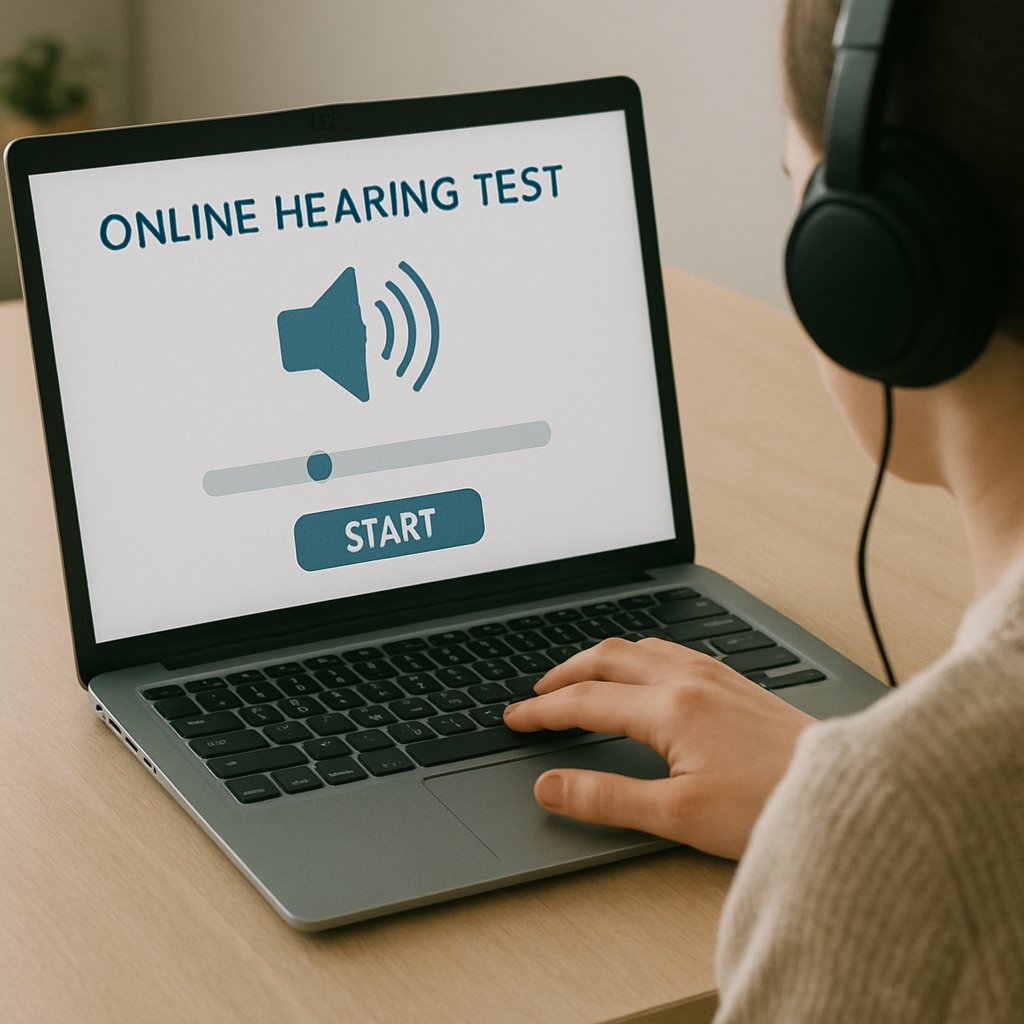
Online and app-based hearing tests are screenings: they can suggest that something has changed, but they cannot measure the type or cause of hearing loss. A full evaluation by an audiologist may include questions about your hearing and health, a look at the ear canal and eardrum, listening for tones at different pitches, repeating words, and checking how the eardrum and middle ear move.
Results are shown on an audiogram, a chart of the softest sounds you can hear at each pitch, and hearing loss is described by degree, from slight to profound. Many people hear low pitches better than high ones, so speech can seem loud enough but unclear. Some people struggle in noise even with a normal standard test; it is still worth describing this to an audiologist. A baseline test, taken before you notice problems, gives a point of comparison for the future. Read Importance of Baseline Hearing Tests and Understand Online Hearing Test Results & Next Steps, or learn about hearing tests at our practice.
The Centers for Disease Control and Prevention recommends that babies be screened for hearing loss no later than 1 month of age, have a full hearing evaluation no later than 3 months of age if they do not pass, and start early intervention before 6 months of age if they have hearing loss. Hearing can also change later in childhood. If you are concerned about a child's hearing or speech at any age, ask your child's doctor about a hearing test.
In older adults, hearing loss often comes on so gradually that people adapt without realizing what they are missing, and family members can help by encouraging an evaluation. Read Addressing Hearing Loss in Older Adults and our communication tips for hearing loss.
Hearing loss can make conversation tiring and lead some people to withdraw socially. Research has found associations between hearing loss and depression, falls and cognitive decline, but much of this evidence is observational and does not prove cause, and the first large randomized trial of hearing aids found no overall effect on cognition after three years. If you are concerned about memory or thinking, talk with your doctor.
Wear hearing protection during loud activities, keep personal audio at a moderate volume, avoid putting cotton swabs in your ears, and ask your doctor about hearing if you are prescribed a medication known to affect the ears. For regular exposure to loud sound, read our hearing protection articles.
At The Atlanta Hearing Doctor in Sandy Springs, Dr. Maria Wynens, audiologist, provides hearing tests to show how you are hearing today. If hearing aids may help, she can help you compare hearing aid styles and models, and set them up at a hearing aid fitting.
This guide is general information, not a diagnosis. If you have noticed changes in your hearing, contact our practice to schedule a hearing evaluation.


Understanding Hearing Loss
February 22, 2023


Understanding Hearing Loss
October 1, 2019




Doctor-selected hearing aids tailored to your hearing, lifestyle and budget, with personalized fitting and ongoing care.
Explore Hearing AidsComprehensive hearing evaluations with clear explanations of your results and personalized next steps.
ExplorePersonalized hearing aid selection, programming and adjustments for comfort and clarity in everyday life.
ExploreOngoing hearing care with regular check-ins, practical advice for protecting your hearing and support for hearing aid wearers.
Explore
Ready to hear the difference?
Have a question about your hearing or your hearing aids? Contact The Atlanta Hearing Doctor and our team will help you arrange a visit.


