Many medications, both prescription and over-the-counter, have been linked to hearing loss as a potential side effect. It's important to note that not all individuals who take these medications will experience hearing loss, and the degree of hearing loss can vary.
Some common medications that have been associated with hearing loss include certain types of antibiotics, chemotherapy drugs, and pain medications. Some of these medications can damage the hair cells in the inner ear, which turn sound into signals that are sent to the brain.
Antibiotics such as gentamicin and tobramycin have been associated with hearing loss, especially when used at high doses or for extended periods. Chemotherapy drugs such as cisplatin and carboplatin can also cause hearing loss as a side effect, and the risk increases with higher doses and longer treatment durations. Additionally, high doses of aspirin can cause tinnitus or temporary hearing loss, and some studies have linked regular, long-term use of pain relievers such as ibuprofen and naproxen with a higher risk of hearing loss.
It's essential to speak with your doctor before starting any new medication or changing the dosage of an existing medication. Never stop taking a prescribed medication without talking to your doctor first. They can help you understand the potential side effects of the medication and determine the best course of action for your specific situation.
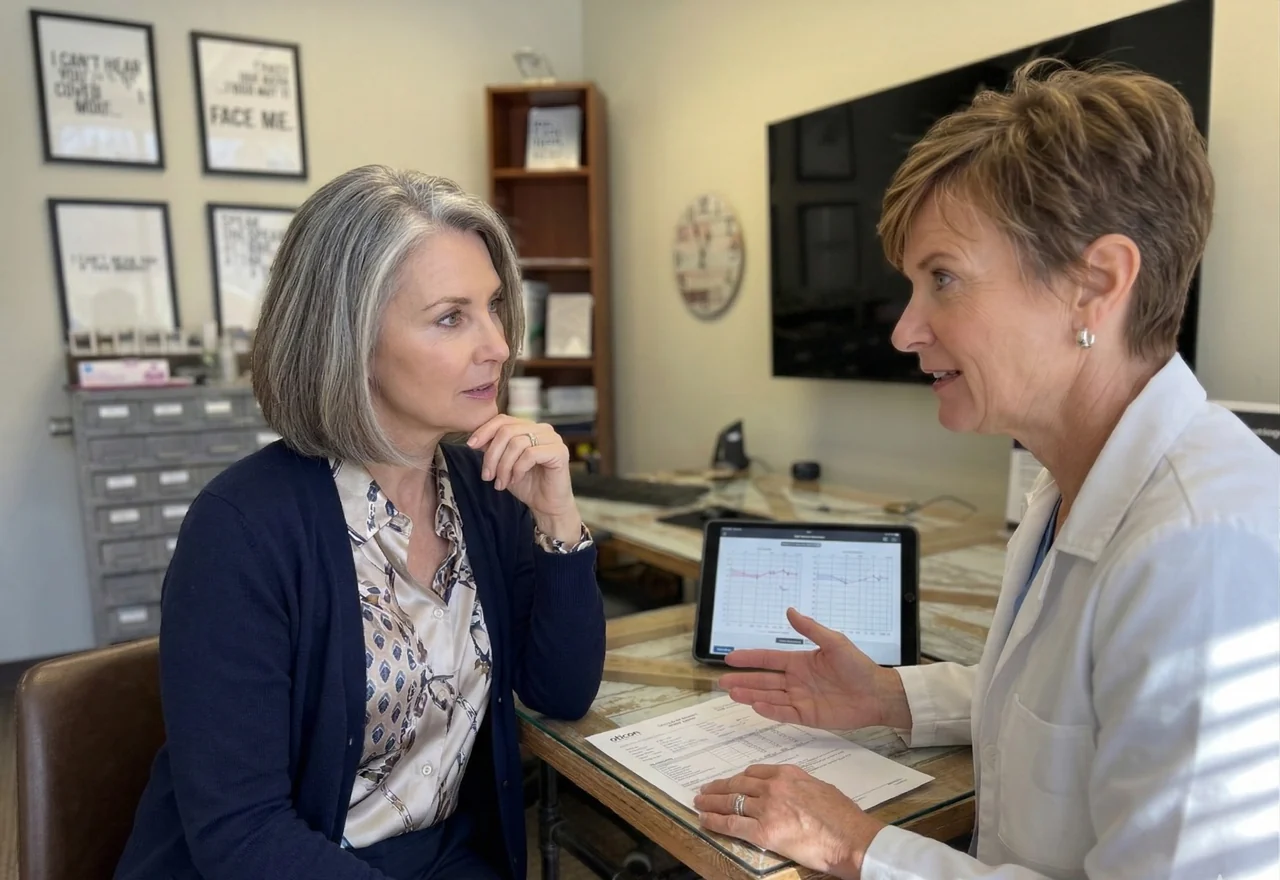
If you are taking a medication that is known to cause hearing loss, it's important to monitor your hearing and report any changes to your doctor. For some medications, such as certain chemotherapy drugs and antibiotics, doctors may monitor your hearing during treatment. Noticing changes early gives your care team the chance to adjust treatment if appropriate.
In summary, certain medications have been linked to hearing loss as a potential side effect. Antibiotics, chemotherapy drugs, and pain medications are among the most common types of medications that may cause hearing loss. If you are taking a medication that is known to cause hearing loss, it's important to speak with your doctor and monitor your hearing regularly to detect any changes early. With proper management and care, you can continue to lead a fulfilling life despite the potential side effects of these medications.

About The Atlanta Hearing Doctor
Audiologist Dr. Maria Wynens has served patients since 1988 and provides hearing care from our office in Sandy Springs.
About Dr. Wynens