

Whether you are winding down a long career or just beginning to put together your retirement plan, it’s never too soon to factor your hearing into your retirement. The simple fact is that as we age, our hearing becomes increasingly vulnerable to significant hearing loss and hearing loss can take a big toll on your health and quality of life.All along the road to retirement, opportunities exist to protect your hearing and prepare for maintaining your hearing health. Knowing how to care for your hearing and planning for hearing issues can make sure you get the most from your retirement.
Future Needs
As we age, our hearing becomes significantly more susceptible to hearing loss. This is due to a few factors. First, gradual permanent damage done to our hearing throughout our life can accrue into hearing loss. Also, as we age, the delicate parts of our inner ear become increasingly fragile making them more vulnerable to permanent damage. Combined, these issues make hearing loss increasingly likely to occur as we get older.Rates of age-related hearing loss, also known as presbycusis, ramp up the older we become. According to the National Institute on Deafness and Other Communication Disorders (NIDCD), about 22 percent of adults ages 65 to 74 and about 55 percent of adults 75 and older have disabling hearing loss, and the risk continues to rise with age. Being prepared for retirement means having a plan for aging, which has to consider hearing health as part of our total care.
Understanding Impact
You’ve got a bright future ahead, so don’t let hearing loss slow you down. Untreated hearing loss can put a dent in your plans, affecting your physical and mental health as well as your quality of life. Hearing loss has been linked to depression, anxiety and social isolation, keeping us from the people and activities we love most. Hearing loss has also been linked with a higher risk of falls and of dementia, although these studies show associations rather than proof of cause. Protecting our hearing and treating hearing loss can help us stay active and engaged as we age, and research suggests treatment may help slow cognitive decline in some people.
Preventative Care
A big part of keeping our hearing healthy as we get older is knowing how to protect the hearing we have from damage. Aging is the most common cause of hearing loss in older adults, but loud noise is a major preventable cause. Noise can cause small amounts of permanent damage that add up over a lifetime, so protecting our hearing throughout life can help reduce hearing loss later on.Avoid loud noises in your everyday life. Long or repeated exposure to sounds at or above 85 decibels can cause hearing loss, and the louder the sound, the less time it takes to cause damage, so protect your hearing especially around very loud sounds such as those over 100 decibels. If you work in a loud environment, such as jobs with heavy machinery or loud music, protect your hearing whenever you are working.
Budget For Hearing Aids
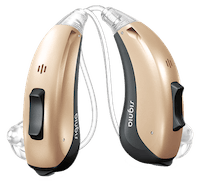
Part of planning for retirement should be a budget for hearing care. Hearing aids are an investment in your health and communication, and they help us stay engaged with the world and the people we care about. The cost of hearing care varies depending on your degree of hearing loss, your lifestyle needs, and the type of device. Original Medicare does not cover hearing aids, so check what your insurance plan covers as you plan your budget. Since 2022, over-the-counter hearing aids have also been available for adults with perceived mild to moderate hearing loss.
Establish Your Hearing Health Care
If you haven’t seen an audiologist regularly, now is a good time to start. Even if you don’t currently have significant hearing loss, an annual hearing exam can detect problems and changes to your hearing as they arise. Hearing loss is easier to treat the earlier it is addressed, so establishing regular hearing health care can put you ahead of the curve on facing hearing challenges.When you are looking for the right audiologist, might we suggest The Atlanta Hearing Doctor? Our hearing specialists perform comprehensive hearing examinations and personalized hearing analysis. We love helping you stay on top of your hearing health and we’re looking forward to being the hearing specialists you turn to.

About The Atlanta Hearing Doctor
Audiologist Dr. Maria Wynens has served patients since 1988 and provides hearing care from our office in Sandy Springs.
About Dr. Wynens






