Hearing Aids
Doctor-selected hearing aids tailored to your hearing, lifestyle and budget, with personalized fitting and ongoing care.
Explore Hearing AidsResources
Living well with hearing loss is about staying connected at home, at work and with the people who matter to you. Small changes, such as where you sit in a restaurant, telling people what helps or turning on captions, can make conversation easier and less tiring. The articles below share practical advice on communication, relationships, work, safety and getting the most from hearing aids.
This information is general and educational. If you have not had your hearing checked recently, a hearing evaluation is a good place to start. Read our guide to living well with hearing loss, or browse all of our articles below.
Questions? Call (404) 252-7528
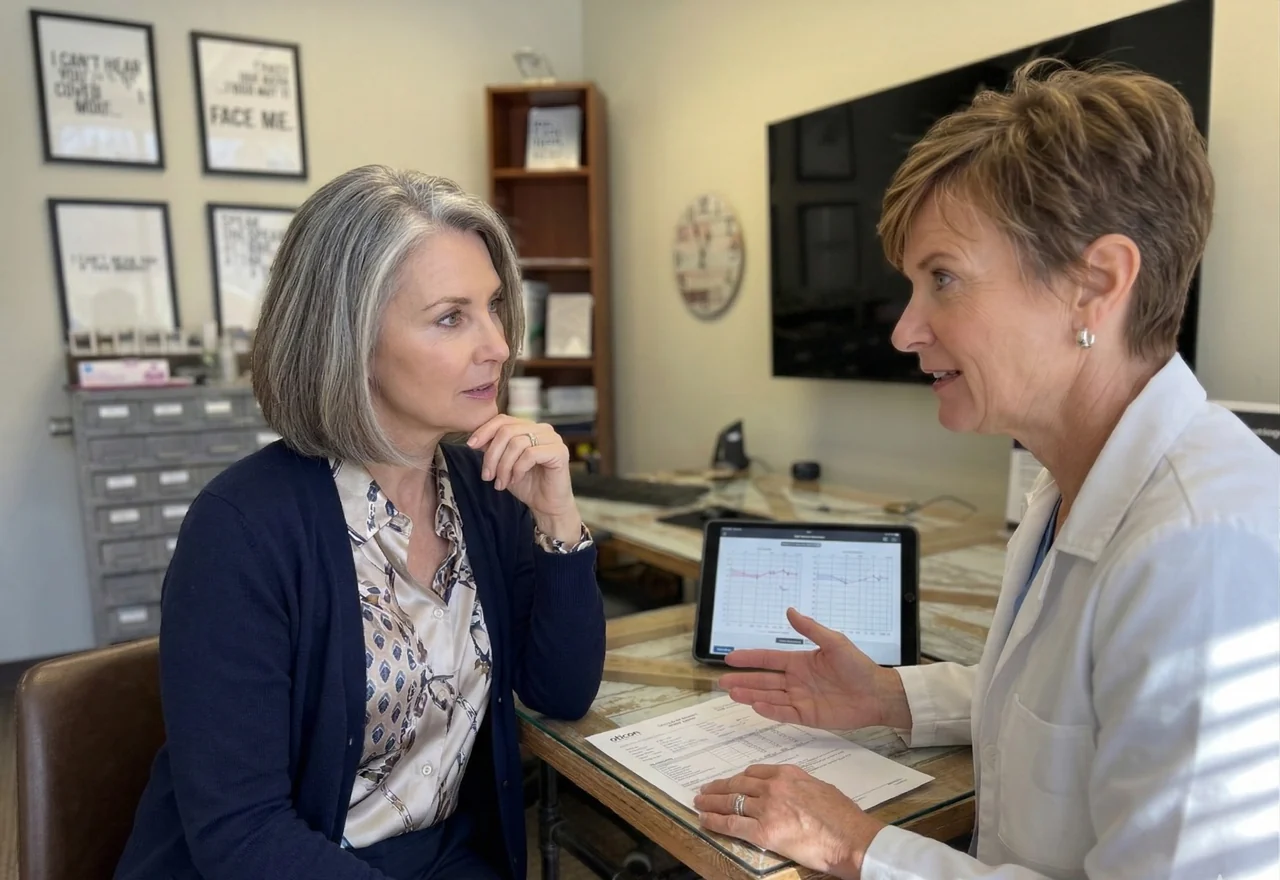
A hearing evaluation shows the type and degree of your hearing loss and helps you and your audiologist decide what will help most, whether hearing aids, other listening technology, communication strategies or a combination. Hearing aids and other devices make sounds easier to hear, but they do not restore normal hearing, so most people get the best results by pairing technology with practical habits. Our guide to understanding hearing loss explains when a change in hearing needs prompt medical attention.
Telling people about your hearing loss, and what helps, usually makes conversations go better. Something as simple as "I hear you best when I can see your face" gives people a clear way to help, and you only need to share what you are comfortable with. Read Communication Tips for People with Hearing Loss and 3 Secrets to Better Hearing.
Communication works best as a shared effort. The American Speech-Language-Hearing Association suggests that family and friends:
A missed word is not a sign of inattention. Read Things People with Hearing Loss Wish You Knew and our communication tips for hearing loss.
Busy places are often the hardest. Choose quieter restaurants or less busy times, ask for a table or booth away from the kitchen, bar and speakers, and sit where you can see most faces. At gatherings, let the host know what helps and step somewhere quieter for longer conversations. If your hearing aids have a restaurant or speech-in-noise program, use it.
Following conversation takes concentration, and feeling tired after a long meeting or dinner is common. Plan short breaks, schedule demanding conversations for when you have more energy, and use captions or notes so you are not relying on hearing alone. Read Enjoying the Holidays with Hearing Loss and Tips for the Holidays with Hearing Aids.
Under the Americans with Disabilities Act, employers with 15 or more employees must provide reasonable accommodations to qualified employees with disabilities, and the U.S. Equal Employment Opportunity Commission explains that this can include people who are hard of hearing. Some state laws also cover smaller employers. Examples include captioned or amplified phones, assistive listening devices, real-time captioning, written meeting summaries and visual alerts. Telling your employer that you need an adjustment because of your hearing is enough to start the conversation. Accommodations are decided case by case; if more than one would work, the employer may choose an effective option, and it does not have to provide one that would cause undue hardship.
The ADA also requires state and local governments, and businesses and nonprofits that serve the public, to communicate effectively with people who have hearing loss, for example through assistive listening systems, captioning or interpreters. Many theaters and places of worship have hearing loops, which work with hearing aids that have a telecoil. It helps to ask ahead. This section is general information, not legal advice.
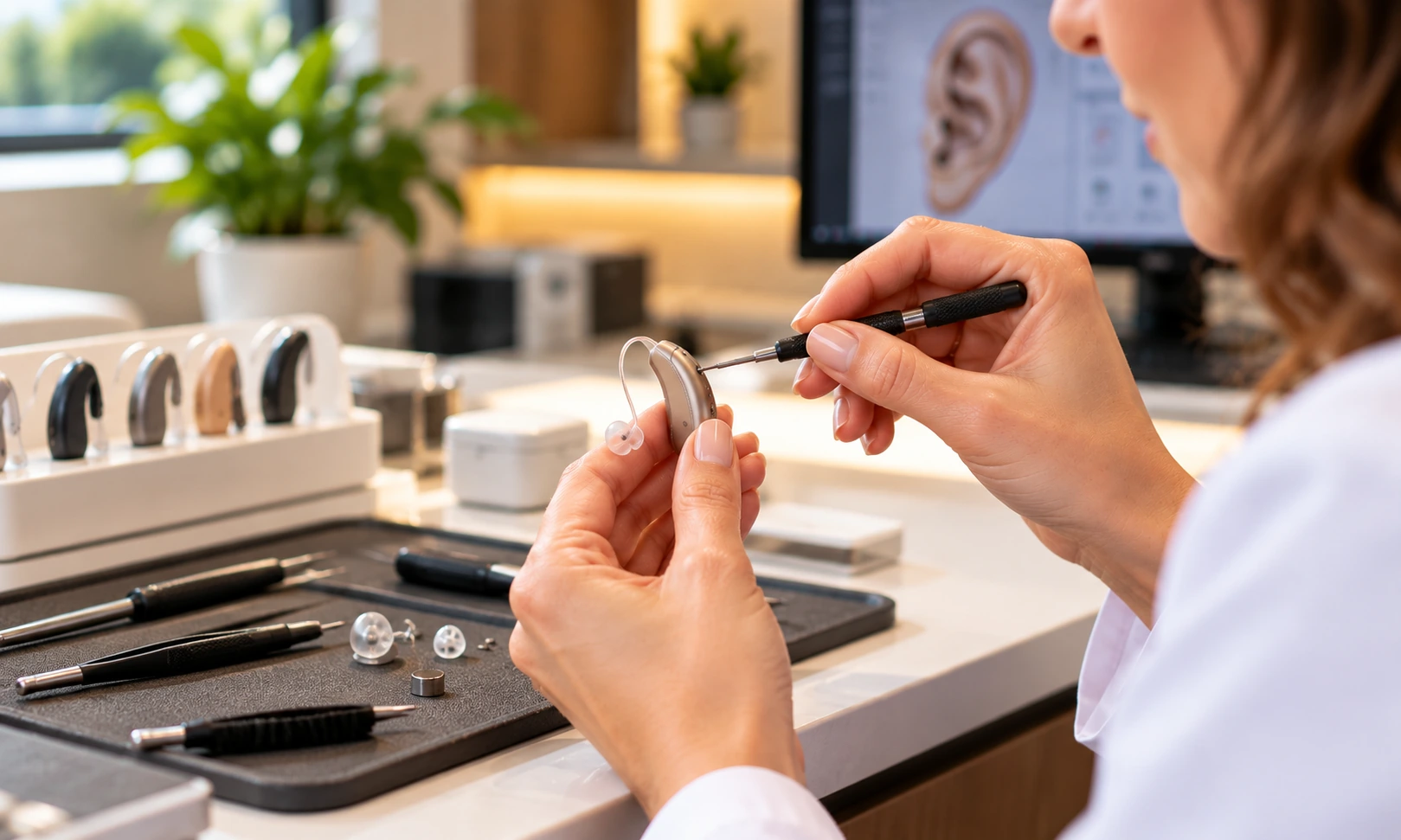
Wear your hearing aids consistently, keep follow-up appointments, and note situations that are still difficult so they can be adjusted. Clean them as directed and protect them from moisture. Read 5 Important Tips to Improve Your Hearing Aid Experience, How to Properly Care for Your Hearing Aids and Keeping Your Hearing Aids Dry. If they whistle, sound weak or stop working, our hearing aid repair page describes simple checks to try. For styles and features, see our guide to hearing aid styles, features and care.
Adjusting to hearing loss can bring frustration or a sense of being left out. Staying connected matters, even if that means choosing smaller groups or quieter places. The Hearing Loss Association of America has local and virtual chapters that offer peer support. If you notice ongoing low mood, worry or withdrawal, talk with your doctor. If you also have ringing in your ears, see our tinnitus articles.
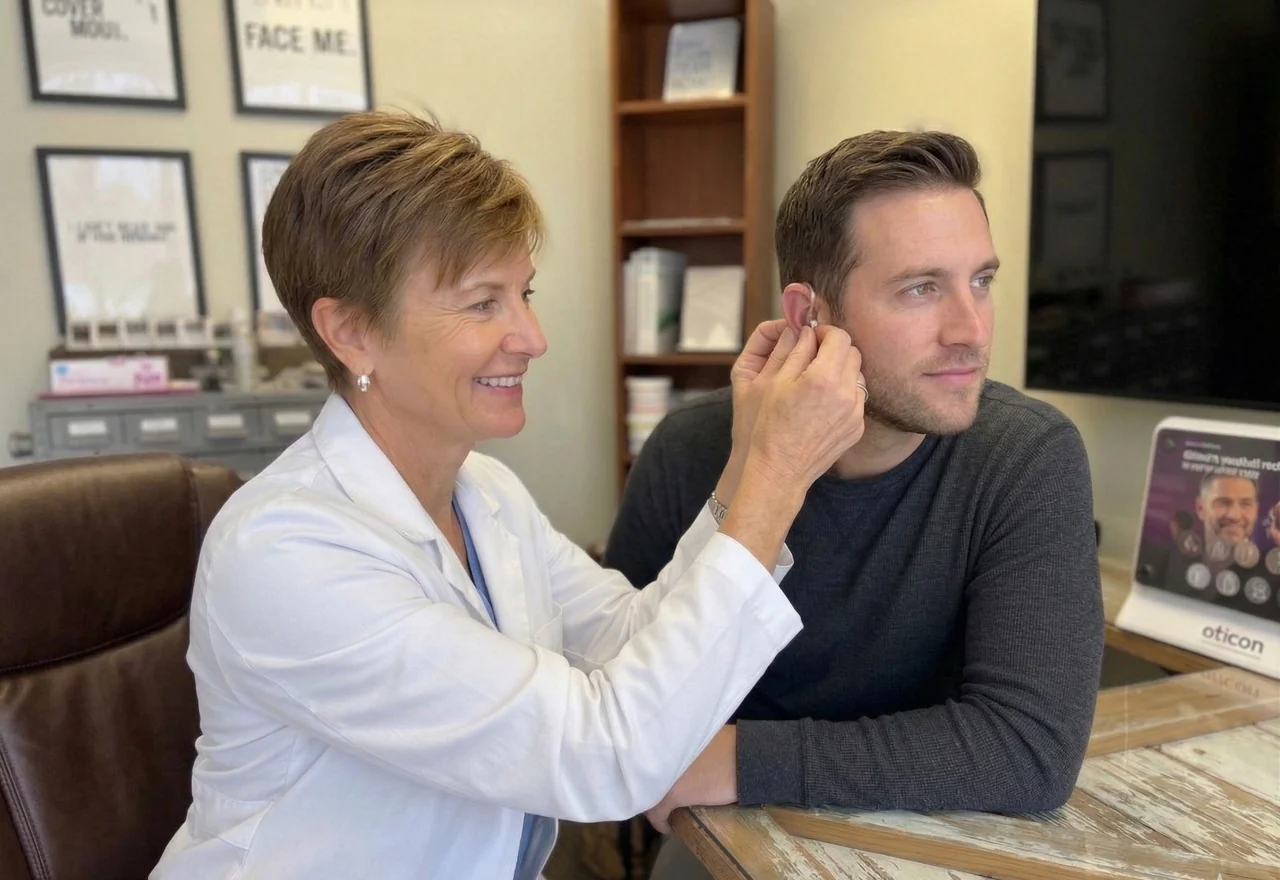
At The Atlanta Hearing Doctor in Sandy Springs, Dr. Maria Wynens, audiologist, provides hearing tests, hearing aid fittings with follow-up adjustments, and hearing aid repair when hearing aids stop working properly.
This guide is general information, not medical or legal advice. If you would like help with your hearing or your hearing aids, contact our practice.


Living Well with Hearing Loss
February 20, 2023

Living Well with Hearing Loss
February 18, 2023




Living Well with Hearing Loss
December 3, 2019


Doctor-selected hearing aids tailored to your hearing, lifestyle and budget, with personalized fitting and ongoing care.
Explore Hearing AidsComprehensive hearing evaluations with clear explanations of your results and personalized next steps.
ExplorePersonalized hearing aid selection, programming and adjustments for comfort and clarity in everyday life.
ExploreProfessional troubleshooting, cleaning and repair coordination to help restore your hearing aids' performance.
Explore
Ready to hear the difference?
Have a question about your hearing or your hearing aids? Contact The Atlanta Hearing Doctor and our team will help you arrange a visit.