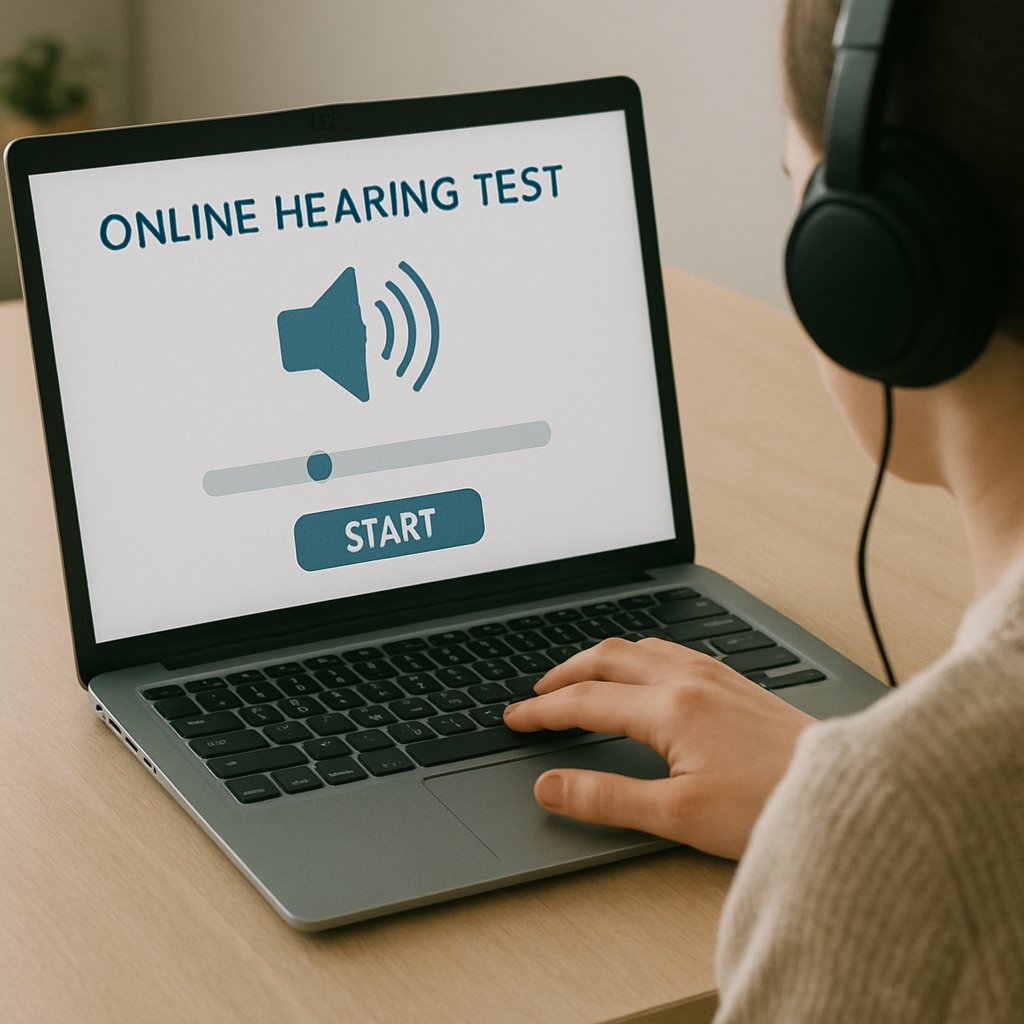
We’re all concerned about our overall health, go to the doctor for annual physicals, and carefully monitor ourselves for any signs of high cholesterol, high blood pressure, diabetes, or cancer. We even get regular vision exams, and wouldn’t dream of leaving the house without our reading glasses. Unfortunately, many people don’t take the same approach to their hearing health, and don’t practice preventative health. The best thing you can do for your ears, and your brain, is to schedule an annual hearing test and start the year off right.
Gradual Hearing Loss
One of the biggest reasons to book annual hearing tests is because hearing loss is often a gradual process, and can creep up on us without our noticing. You’re able to make small adjustments to changes in your hearing, and might not realize anything has changed until your family complains that the TV volume is too high, or that you’re asking them to repeat themselves more often than usual. With annual hearing tests, you’ll have peace of mind knowing that gradual hearing loss won’t sneak up on you, and that you’ll be able to address hearing changes soon after they appear.
How Hearing Loss is Impacting Your Life
You might not realize it, but hearing loss is closely connected with your overall health. Hearing isn’t just about our ears, but about our brains and bodies as well. Untreated hearing loss has been linked with a higher risk of falls and injuries, more hospitalizations, faster cognitive decline, and a higher risk of dementia. These studies show associations, and hearing aids have not been shown to prevent dementia.Hearing loss can also make work harder, since communicating at the workplace becomes more difficult, and it has been linked with lower earnings. Living with untreated hearing loss also increases the likelihood of suffering from social isolation, anxiety, and depression. Hearing loss can drive a wedge between you and your loved ones, since you’re not able to enjoy easy conversations or share all the little moments that make life together so special.
An Annual Hearing Test
To protect your quality of life, the best thing you can do is start the year off right with an annual hearing test. Getting your hearing tested every year will allow you to monitor your baseline hearing, and notice the moment there are any changes in your hearing. Regular hearing tests are a good idea as you get older, and anyone who notices changes in their hearing should be tested. Ask your audiologist how often you should be retested. Many people don’t have their first hearing test until they’ve been struggling to hear for years.
A Baseline Hearing Test
You might not need to take a comprehensive hearing test every year, but many of us haven’t had a hearing test since high school. Whatever your age, a baseline hearing test records your hearing today so future changes can be compared against it. It measures the softest sounds you can hear at different pitches. This test will also measure your ability to hear and understand speech, both at a very quiet volume, and at a normal speaking volume.A quick hearing screening is pass or fail, while a full hearing evaluation shows exactly which sounds you can and can’t hear. If a screening suggests a problem, or you notice changes in your hearing, a comprehensive hearing test will help determine your treatment options.
Treating Hearing Loss
If you have hearing loss, treating it early can make communication easier and help you stay engaged. Hearing aids don’t stop age-related hearing loss from progressing, but they can reduce its effects on daily life. At The Atlanta Hearing Doctor, our team of hearing health specialists will look after you every step of the way, from the initial hearing test that will give you a clear picture of your hearing, to determining what hearing aid will fit seamlessly into your life. Don’t wait, but visit us today!

About The Atlanta Hearing Doctor
Audiologist Dr. Maria Wynens has served patients since 1988 and provides hearing care from our office in Sandy Springs.
About Dr. Wynens