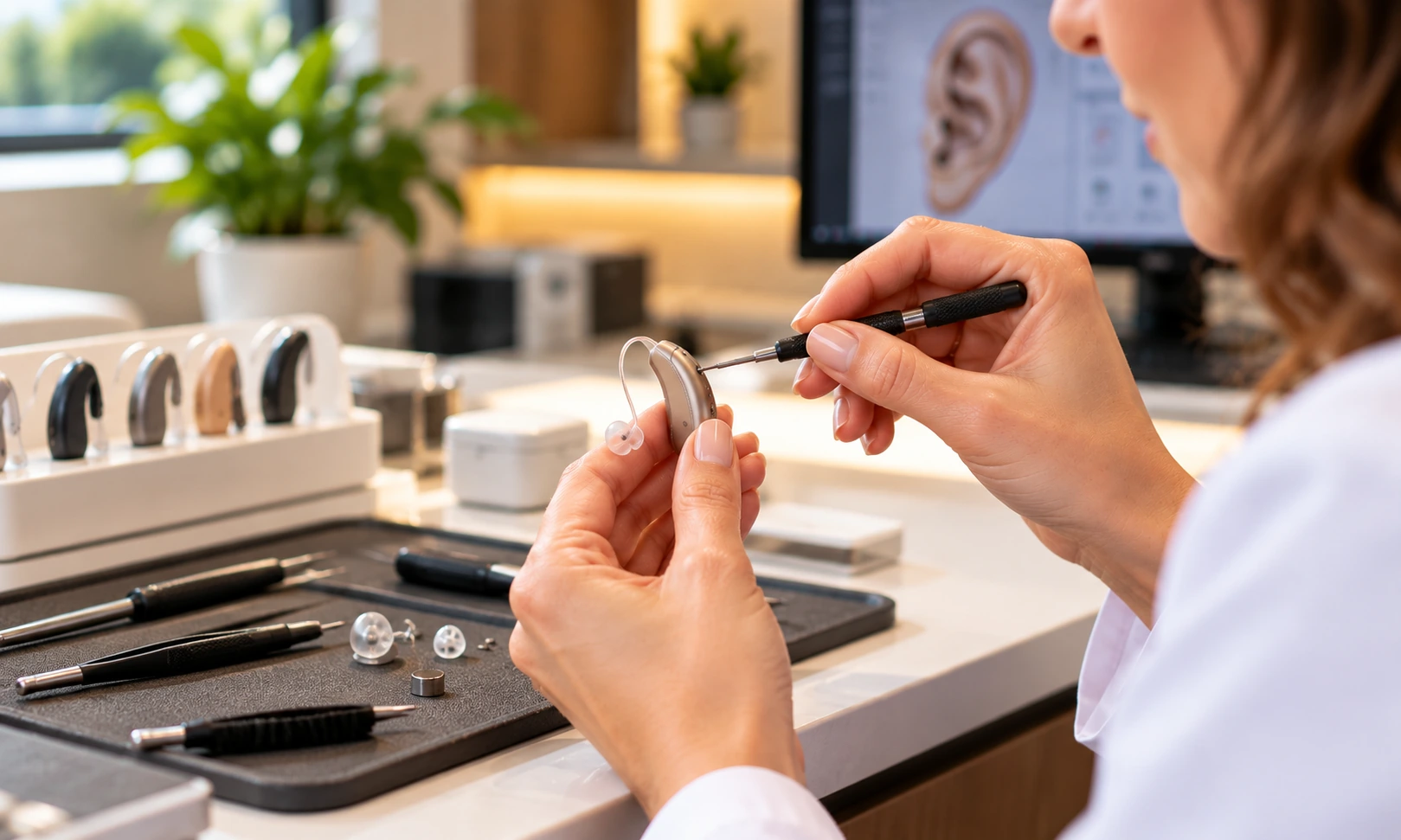
Tips for When Your Hearing Aid Gets Wet
Like many electronics, the arch-enemy of most hearing aids is water and moisture. Hearing aids are much like computers, and water is just one of the elements that spells disaster for an aid. Avoiding environments with high humidity or moisture when wearing an aid is the best way to prevent water-related damage.But we all make mistakes, and sometimes we accidentally find ourselves with an aid that’s gotten wet. Even though these circumstances can seem dire, there are steps to take to prevent or minimize permanent damage to your aid. Here’s what to do when you find your aid at risk of water damage.
Turn Your Aid Off and Remove the Battery
What damages a hearing aid isn’t just the water present, but when that water disrupts electrical signals within the aid. To prevent this disruption, your first step should be to turn the hearing aid off and remove the battery inside.It’s important that you don’t wait to see if the hearing aid is still working. If there’s even a slight chance that water is within the aid, turn it off right away and don’t wait to see if it will turn back on.
Remove the Tube and Hand Dry
Your next step should be to remove the tube or dome (if you have one) and gently dry the hearing aid with a soft towel. It’s important to get the most obvious moisture removed this way, either with a soft towel or cloth or by gently shaking.Make sure not to use too rough a cloth or to shake too vigorously. You don’t want to avoid water damage just to cause other types of damage to your aid!
Avoid Heat
It may be tempting to speed things up with a hair dryer, oven, or microwave, but don’t. Your hearing aid is just as sensitive to heat as it is to moisture, and heat can cause irreparable damage. If you want to move air around the hearing aid, use a fan or a hair dryer on the cool setting only, held at a distance.
Leave Out to Dry
This step is perhaps the most time consuming, but can spell the difference between a perfectly-working aid and one that never works again. Depending on how wet your aid got, you might need to leave your aid out to dry for up to two or three days. It’s important to stay patient and allow enough time to dry before turning back on.Unlike cell phones, putting your hearing aid in rice isn’t a good idea. That’s because small particles from the rice can get inside the hearing aid and cause even more damage. Try leaving the battery door open during this stage, or use a hearing aid drying kit or dehumidifier to speed up drying.
If you have rechargeable hearing aids: the battery usually can’t be removed. Turn the hearing aids off if possible, dry the outside gently, don’t place them on the charger while they may be wet, and contact us or the manufacturer for guidance.
Clean and Replace the Battery
If you have some cleaning tools for your aid, a good time to clean off your aid is after it’s completely dry. Sometimes water can leave behind unwanted residue, but make sure to clean gently so you don’t damage any of the internal pieces.After your aid is dry and clean, replace the battery and turn it back on. You might find that your aid is in perfect working order, but sometimes there is some noticeable damage with your aid. If that’s the case, it’s likely that small repairs can have your aid in perfect working order again.If you’ve gotten your aid wet, following these steps can save your aid – but it’s a good idea to follow up with a visit with us at The Atlanta Hearing Doctor. We can assess the damage to the aid (if any) and determine if repairs are needed. Plus, we can even show you tips for how to clean and maintain your aid to prevent future mistakes!Contact our team today for questions about your aid, or how to find the perfect hearing aid for you!
Find the right hearing solution today! Get started by contacting us to schedule an appointment.
The Atlanta Hearing Doctor
(404) 252-7528
5885 Glenridge Drive #155
Atlanta, GA 30328

About The Atlanta Hearing Doctor
Audiologist Dr. Maria Wynens has served patients since 1988 and provides hearing care from our office in Sandy Springs.
About Dr. Wynens