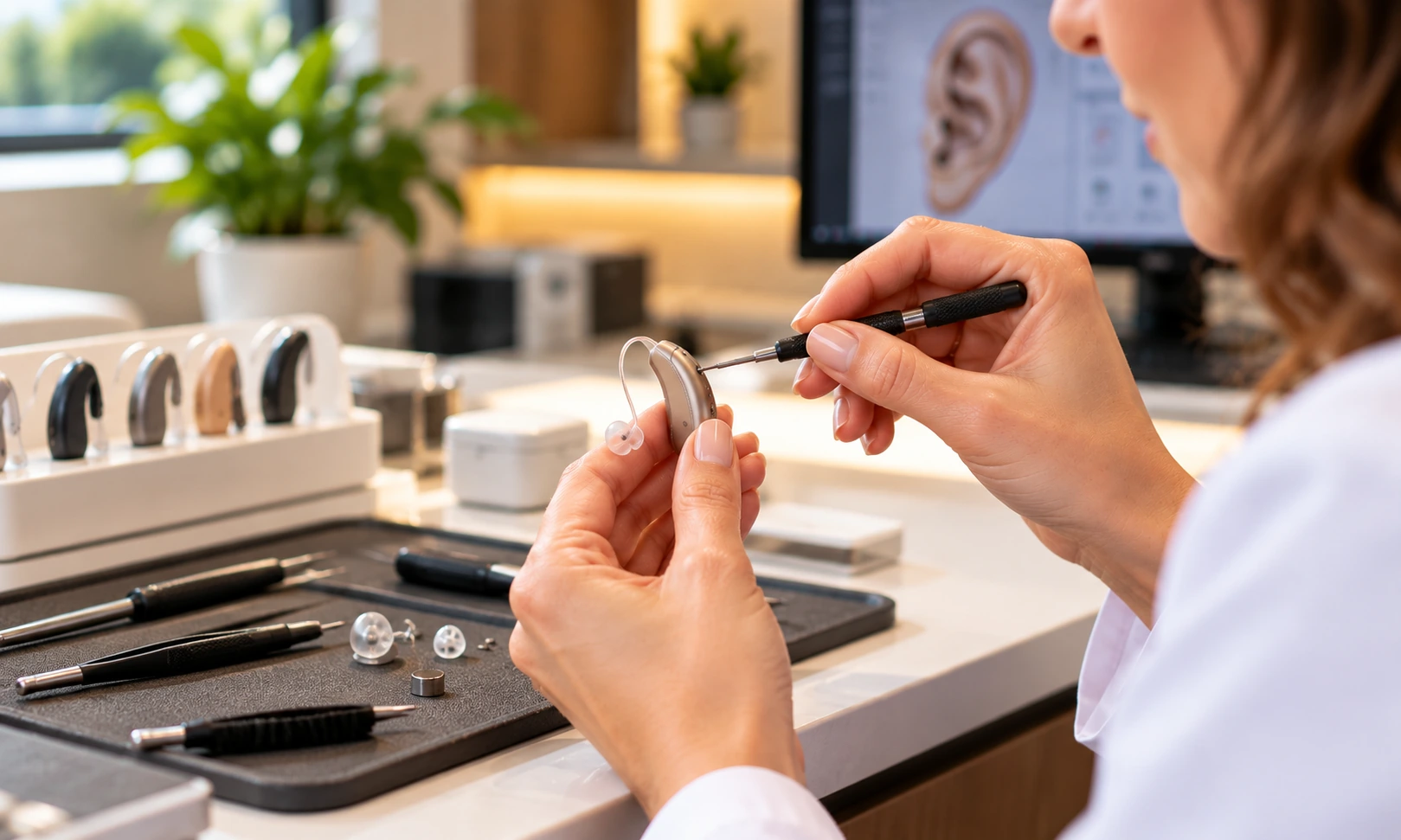
Hearing loss and dementia are both common conditions that can have a significant impact on a person’s quality of life. While the two conditions are separate and distinct, research has shown that they are linked. In particular, hearing loss has been identified as a potential risk factor for developing dementia. In this article, we explore the relationship between hearing loss and dementia, and why it’s important to address hearing loss early.
Hearing loss is a common condition that often occurs when the inner ear or auditory nerve is damaged, reducing the ability to hear and understand sounds. This can make it difficult to communicate with others and can lead to social isolation. Untreated hearing loss has also been associated with poorer mental and cognitive health.
Dementia is a broad term that refers to a decline in cognitive function, including memory, language and problem-solving skills. Dementia can be influenced by a variety of factors, such as age, genetics and certain medical conditions. While the exact causes of dementia are not fully understood, research has suggested that hearing loss may be a risk factor for developing the condition.
One study from Johns Hopkins, published in 2011, followed 639 adults who did not have dementia at the start for about 12 years. Compared with people with normal hearing, the risk of dementia was about two times higher for people with mild hearing loss, three times higher for people with moderate hearing loss and five times higher for people with severe hearing loss. This shows an association, not proof that hearing loss causes dementia.
Research on hearing treatment is also encouraging. A 2023 review of 31 studies in JAMA Neurology found that people who used hearing aids or cochlear implants had a 19% lower risk of long-term cognitive decline than people with untreated hearing loss, although most of those studies were observational. In the ACHIEVE randomized clinical trial, published in The Lancet in 2023, a hearing intervention did not slow cognitive decline over three years in the study group as a whole, but among participants at higher risk of cognitive decline, it slowed decline by 48%.
These findings suggest that hearing loss may be a potential risk factor for developing dementia, and that treating hearing loss may help protect cognitive health for some people. More research is needed, and no study has shown that hearing aids prevent dementia.
If you or a loved one is experiencing hearing loss, it’s important to seek care. A hearing care professional can conduct a hearing evaluation and recommend appropriate treatment options, such as hearing aids or other assistive devices. Addressing hearing loss can improve communication and quality of life, and it may also benefit cognitive health.

About The Atlanta Hearing Doctor
Audiologist Dr. Maria Wynens has served patients since 1988 and provides hearing care from our office in Sandy Springs.
About Dr. Wynens